Introduction
The 2026 Dodge Charger Daytona is turning heads again, blending iconic muscle car heritage with modern performance upgrades. In this post, we’ll dive into what makes the 2026 Daytona special—from its bold design and powerful engine options to the tech and features that set it apart from the competition. Whether you’re a longtime Charger enthusiast or just curious about this year’s standout model, get ready to explore everything the 2026 Dodge Charger Daytona has to offer.
Recurrent: A Useful EV Tool for Buyers and Sellers
Recurrent, an essential EV tool that gives free access to TFL EV viewers in the US. With Recurrent, EV shoppers can check range and battery info on used cars. EV owners can connect to compare their range and battery health to similar vehicles, and EV sellers can use Recurrent to get more money for their sales. With Recurrent, we can find, drive, and sell electric cars. Recurrent’s amazing EV tools.
The Big Question: Can Dodge Sell an Electric Muscle Car?
All right, this is the 2026 Dodge Charger Daytona Scat Pack four-door. And let’s talk about the elephant in the room, and that is that Dodge has a problem selling an EV to its core customers. It’s basically like selling fish hooks to fish. They just don’t want them. If anybody wants a lot of horsepower and that sound, it has to be the Dodge Charger buyer or Challenger buyer, but they want it to come with the pistons going up and down, the explosions, and not just a facsimile of it from this synthetic exhaust.
So, in this fast take, we’re going to talk about that, and we’re going to talk about this 2026 Scat Pack.
Styling and Design:
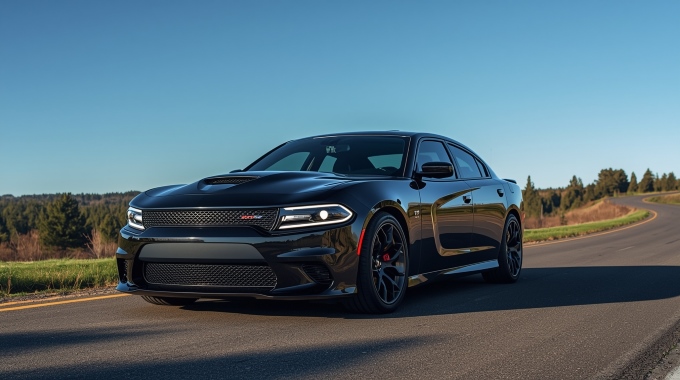
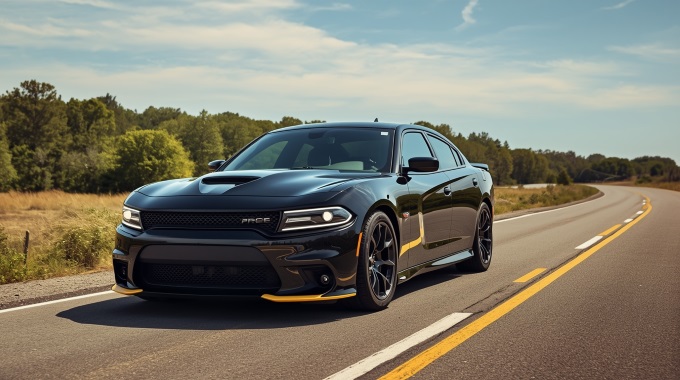
Let’s start where we always start, and that is with the styling of the car. Now I think this car looks so good. Ralph Gilles, who is the head of design over at Stellantis, did a lot of this design along with other designers, of course, and I love this arrow wing built into the front of the car. It’s everything that a Charger should be.
Now, it’s a little confusing because once upon a time, the Charger was the four-door and the Challenger was the two-door. Before that, the Charger was both a two-door and a four-door. Now we’re back to having both again. If you love Hemis and muscle cars, you’ll know all that. For everyone else, it can be confusing.
That said, Dodge managed to pull off the styling. In the previous generation, the four-door Charger outsold the Challenger by quite a bit. This is a fine line to walk—creating a four-door muscle car—and Dodge seems to have done it well.
Performance, Power, and EV Trade-Offs
Come on back here, because you might think this is a trunk, but it’s actually a hatchback. Tons of room, tons of road presence, and tons of horsepower. We’re looking at 670 horsepower when you activate the Power Shot. Zero to 60 is in the three-second range, enough to give you tunnel vision.
It has a 100 kWh battery, but the charging speed is not great, topping out around 183 kW. As an electric car, there are issues: not enough range, not fast enough charging, and even with all that power, a Model S Plaid will still beat it in a straight line. That’s a problem for Dodge, a brand known for dominating the drag strip.
Interior Space and Practicality
Let’s look at the room inside. It’s very big in an American-car sort of way. Plenty of headroom, plenty of knee room, USB-Cs, heated rear seats, rear vents—this is a big American sedan, and that’s a good thing.
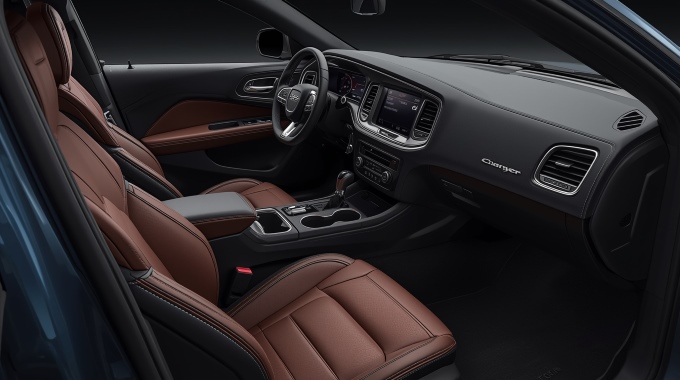
The downside is the low-sloping roofline, which makes getting out a little tricky. Still, Dodge clearly leaned into practicality with the four-door layout, and that was the right call considering how well the Charger sold previously.
Driving Impressions:
This car is loud, though you can turn off the synthetic exhaust if it’s too much. Inside, you get a massive glass roof, a traditional muscle-car-style shifter, and the Uconnect system, which works well.
In drag mode with all-wheel drive, acceleration is brutal. Instant torque pushes you back hard. Around corners, there’s some front-end push, and you can feel the weight of the battery. Like classic muscle cars, this is more about straight-line speed than carving corners.
Price, Market Challenges
The two-door version costs around $74,000, and the four-door will likely cost more. With tax credits going away, Dodge is trying to sell an expensive electric car to buyers who traditionally don’t want electric cars. That’s a tough sell.
There’s hope, though. The Hemi is already coming back in other models, and it’s hard not to believe we’ll eventually see a Hemi—or even a Hellcat—under the hood of this Charger. If that happens, people will line up just for the styling alone.
Final Thoughts: A Muscle Car at a Crossroads
The interior design is a massive step up from the previous generation, and it brings back the traditional American sedan in a big way. The problem isn’t the car—it’s what’s under the hood.
There is a frunk, enough space for a charger or small items, and massive tires that explain the limited range. So here’s the conundrum: muscle car fans love Hemis, sound, and visceral emotion. This car is fast—maybe faster than a Hellcat—but it doesn’t feel the same.
What do you do? That’s the question Dodge is trying to answer. And honestly, it’s one a lot of buyers are still on the fence about.
2026 Dodge Charger Daytona Scat Pack price
2026 Charger Pricing – R/T vs. Scat Pack
The Charger Sixpack R/T starts at $51,990, and the Charger Sixpack Scat Pack starts at $56,990. Four-door versions will add $2,000 to the respective starting prices.
Future Dodge Charger Engines – Will the V8 Return?
No word yet on future V8 models, but you’d be crazy to bet against Dodge showing a 5.7L under the hood of one of these things, then making the 6.4 fit, and then making the 6.2 fit. It’s definitely going to happen. Even if Mopar needs to make some room in there to make it work, they will find a way.